Becoming a Fellow is not simply a recognition of experience. It is also a call to continued leadership, integrity, and impact. As I reflect on what this means to me personally and professionally, I’m struck by how closely my values align with those of ICE: sustainability, public benefit, technical excellence, and ethical leadership.
This alignment feels especially timely given the ICE’s recent blog post reflecting on the 2025 Climate Change Committee (CCC) Progress Report. The post highlights five key takeaways, all of which underscore the urgent need for civil engineers to step forward with clarity, courage, and conviction.
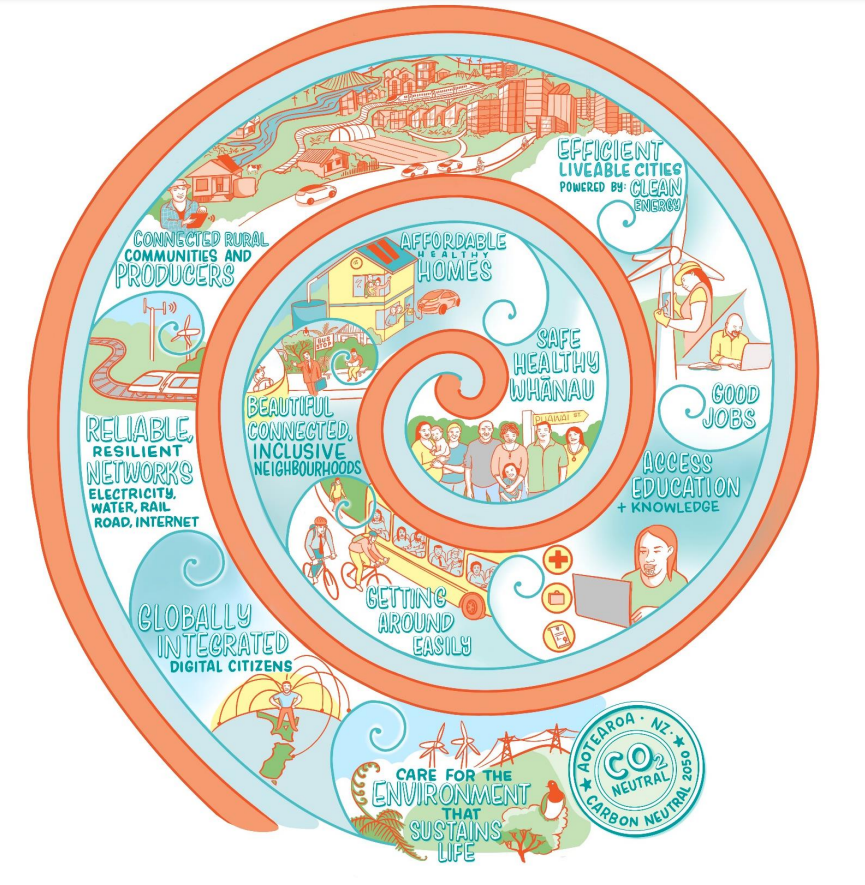
From infrastructure adaptation to the critical importance of systems thinking, the ICE’s reflections on the 2025 CCC Progress Report make one thing clear: we must move beyond technical delivery to embrace ethical stewardship of both the built and natural environments. This is a message that resonates deeply with me.
As a newly appointed Fellow, I see part of my role as championing and supporting the Institution’s vision. But that also means being willing to challenge, constructively, when something vital is missing from the conversation.
For example, while the ICE rightly highlights electric vehicles in its response to the CCC report, there is a noticeable absence of any reference to active travel or public transport. In a truly integrated and sustainable infrastructure future, these modes are not peripheral; they are central. I believe this is a critical oversight. I hope that my voice as a Fellow will help the ICE prioritise nature and the environment within discussions about engineering and social good!
In my own practice, I have always held that engineering is not solely about building, but also about connecting: people to places, communities to opportunity, and today’s choices to tomorrow’s consequences. The responsibility to embed resilience, equity, and coherence into our infrastructure systems is one I carry with deep conviction.
Fellowship: A Platform to Contribute More
Earning this Fellowship isn’t the end of a journey of learning and professional dedication; for me it’s a platform to mentor, to advocate, to collaborate, and to help shape the profession’s response to some of the most complex systemic challenges of our time.
As ICE rightly emphasises in their post, infrastructure must not only be decarbonised, it must be future-proofed, people-centred, and guided by long-term thinking. These are the very themes I’ve worked to integrate into my own approach, whether through innovative project design, stakeholder engagement, or cross-sector collaboration.
Looking Ahead
I’m proud to stand among peers who are not only technically accomplished but also committed to societal impact. The ICE Fellowship is both an honour and a responsibility that I embrace with humility and determination.
To those in our profession who are striving to align impact with integrity, and engineering with empathy: let’s continue this vital work together. There has never been a more important time for civil engineers to lead with vision and values.
Could 50°C in the towns and cities of Wales be liveable?
(Spoiler – yes – and with a lot of strategic thought and hard work could be far nicer than our towns and cities of today. They could be glorious 🌟🏴 Read on to find out how 👇)
Review double yellow line areas with a view to incorporating trees where they do not interfere with road safety (incorporating SUDS or other low-level green infrastructure if trees would cause significant street use risk)
Prohibit the removal of trees with Tree Preservation Orders for the purposes of facilitating or enabling new developments
Assess every street for the potential to integrate new trees, focusing on streets that are furthest from existing green space first
Remove 10% of on-street parking places on streets that are not currently suitable for urban trees, to enable street furniture and trees to be integrated
Local authorities be required to set ‘shade standards’
Build a community movement to reshape gardens to be part of the solution
Lessons from southern Europe
If summer 2023 has shown us anything it’s that the impacts of climate change, so long felt as theoretical issues for far-off lands, are coming closer.
The evidence provided by geological studies enables us to put this level of atmospheric carbon dioxide into the context of the last several thousand years, which helps us consider why the ‘anthopocene‘ is a reality.
Perhaps even more fundamental to humanity is that high temperatures can dry out soil and vegetation, greatly increasing the likelihood that fires will take hold and spread, releasing huge amounts of carbon back into the atmosphere, and devastating local ecosystems on a local or regional scale.
Once the soil ecosystems are significantly degraded, it is more difficult for ecosystems to recover, risking a downwards spiral in nature and habitat, unless active measures are taken to protect and enhance nature.
I remember in 2010 attending a conference in Poland where a German agronomist claimed that if southern Italy received 13 fewer days of rain annually, it would become a semi-desert and would be impossible to farm.
With overall global temperatures increasing, we should use southern Europe as an example of what might come to us in the years and decades ahead. Our latitude gives us advanced warning of future impacts but it is only of use if we actually learn, and prepare ahead of time.
What temperatures are plausible in Wales?
In order to properly prepare ourselves, and our infrastructure, for the likely impacts of heating, we should assess the approximate range of temperatures under consideration.1
Current models show that Wales will experience an additional 1.34°C of average heat by . However, the records tumbling on an annual basis point to something far more serious; the likelihood of extremes of weather are significantly greater than the average temperature increase would suggest. As the Met Office puts it:
extremes of temperature are changing much faster than the average temperature.
The same Met Office report points out that the 2022 heatwave would happen once every 528 years in the absence of human-induced climate change, and is now likely every 3.4 years.
By 2060, under scenarios that assume reductions in carbon emissions (that do not seem that likely under current political and economic systems), the 2022 heatwave would be considered an average year, and by 2100, it would be a cool year.
The lifespan of green, blue and grey infrastructure in Wales takes us, roughly speaking, to the period 2050-2100. Trees can take decades to reach maturity. Hard infrastructure has a design life of decades. It would therefore be prudent to start examining what can be done now to prepare for regular summer temperatures of 40-50°C, particularly in urban environments which face additional challenges in maintaining habitable temperatures.
Green infrastructure can alleviate heating, and also plays a role in mitigating climate change. A recent Public Health Wales report highlights the impact that climate change will have on health and well-being in Wales:
Public Health Wales NHS Trust (PHW) recognises that climate change is one of the most significant threats of the century, endangering physical health, mental health and wellbeing. It threatens all areas of life that impact our ability to achieve and maintain good health.
Public Health Wales
Heat, and overheating, is a constant theme in the Public Health Wales report, emphasising why this topic needs adressing with some urgency.
Why are urban areas particularly susceptible to summer overheating?
Hard, dark surfaces absorb and the radiate heat back into urban areas
High population density in urban areas increases the amount of heat-generating activities per unit area. Air conditioning cools single buildings or vehicles but adds another heat load to the external environment
Urban areas typically have less vegetation than rural areas. Plants provide shade, and also evapotranspiration to cool the surrounding areas
Buildings can modify air flow, trapping or releasing warm air to surrounding areas
The BBC has a tool to determine how likely your home and neighbourhood is to suffer from extreme heating. Counter-intuitively, even rural towns like Machynlleth could experience high urban heating in their town centres, and should also consider green infrastructure interventions where possible, although cities will experience heat outcomes that are more complex and challenging to resolve.
The most immediate solution to overheating in buildings is air conditioning. Which certainly treats the symptom in that particular building, but exacerbates the problem of climate change (uses electricity and other raw materials in manufacture and use), and increases heating outside the property by ‘dumping’ the heat into the urban environment.
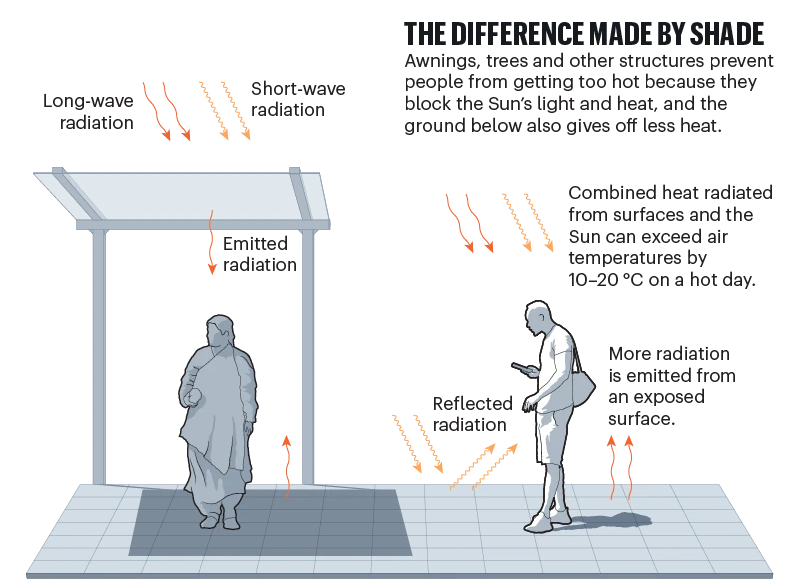
A more holistic solution is to shade our urban areas.
Image from an article on urban shade by Nature.com
Urban shade is provided by buildings and trees. Buildings provide temporary respite from heat by providing shade, but they generally absorb the heat and re-emit into surrounding areas, raising overall heat levels. Trees and other green infrastructure provide shade and additional cooling through evapotranspiration. Although the built environment could certainly be improved to provide more shade and allow greater air flow, by far the biggest improvement in urban shade would be to greatly increase the urban canopy by planting more trees and providing greater protection for existing trees.
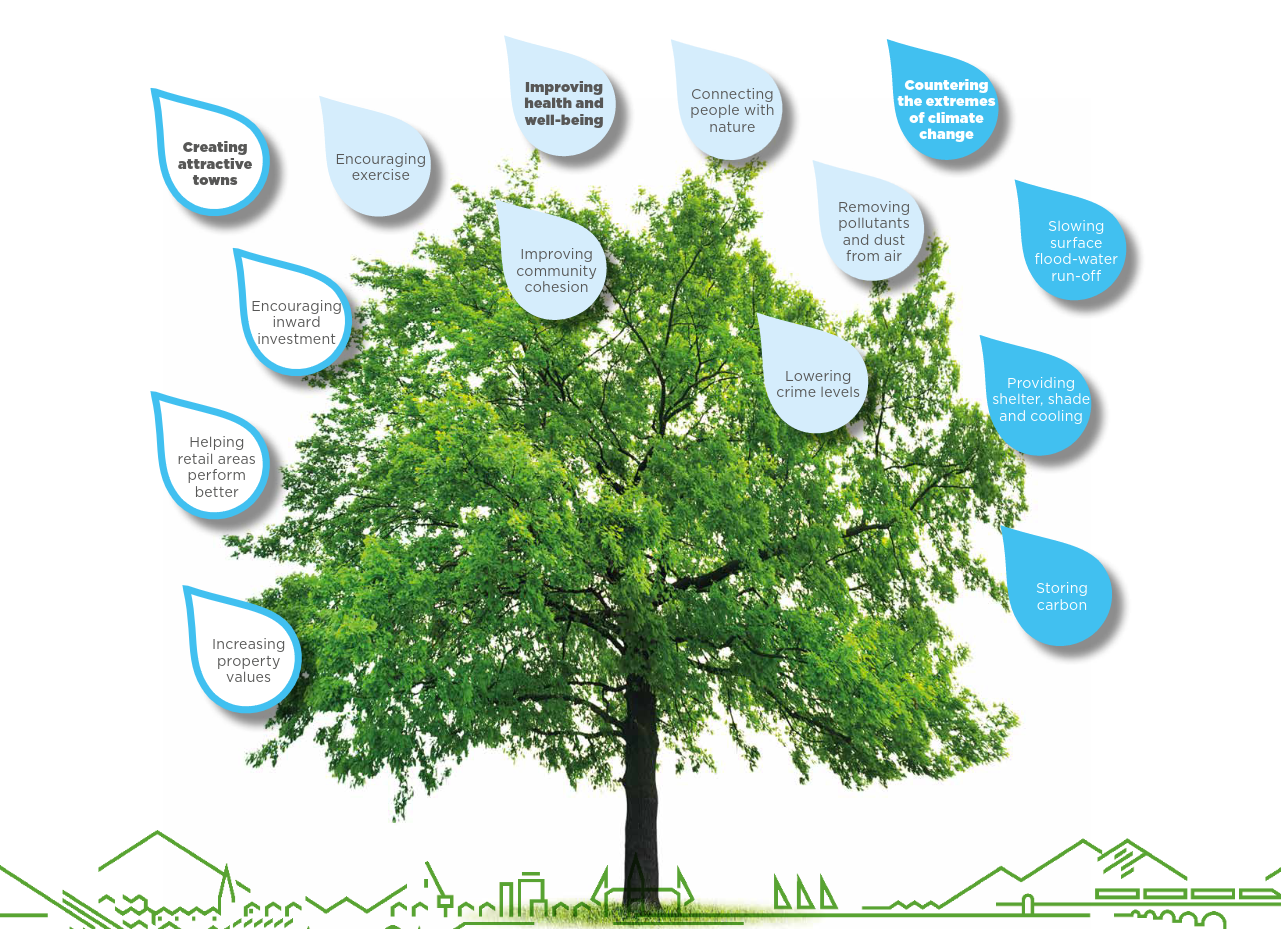
Urban trees provide a huge range of benefits, as described in the image below. They are the focus of the solution I propose for urban heating in Wales. The reason for focusing on them now is because they take a long time to mature, with the benefits increasing as they grow; and because the co-benefits of urban trees are so compelling.
Worryingly for those who would like to see more natural shade, the prognosis is not good:
Whilst there has been little change in canopy cover between 2013 and 2019, the number of trees over this period have decreased overall and the figures show an ageing population of urban trees which is not being replenished.
Although this blog post focuses on using trees to create shade, it’s also worth pointing out that water bodies contribute to urban cooling. Which is why Cardiff Council deserves credit for their scheme to open up some of the old canal that used to run through the city.
Suggestions to prepare Wales’ urban areas for a hot future
Protect what’s already there
I understand from somebody within the woodland sector that trees with Tree Preservation Orders are routinely consented for destruction when planning applications come before local authorities. If true, this makes a mockery of the Tree Preservation Order purpose, and runs contrary to a number of Welsh Government priorities.
Given the life-threatening nature of likely future heating, I propose that trees with Tree Preservation Orders in any urban area indicating extreme heat risk are not eligible for removal for the purposes of enabling new developments.
Assess existing ‘hot spots’ for potential new trees
Given the urgency provided by the Climate Emergency, and the trend of a reduction in the number of urban trees, an active Wales-wide programme of creating new urban trees would seem to be a no-brainer.
Using modelling to highlight ‘extreme heat’ areas, sites should be identified to install new trees where the current risk is greatest, and where the future benefit will be maximised. Where streets are not currently suitable for siting trees, 10% of on-street parking should be removed in order to enable new trees and integrated street furniture to be embedded.
Assess double-yellow line areas for integrating new green infrastructure
I’ve noticed a number of areas near where I live that have double-yellow lines, and have become more or less functionless from the streetscape perspective. If that’s the case in ‘my’ part of Cardiff, it’s likely replicated to a certain extent across other urban areas.
I understand that they are likely to be restricted for parking to enable better views around corners, but perhaps some of them might be suitable for integrating street furniture and/or trees or other green infrastructure, instead of having to remove on-street parking?
A street in Canton, showing double yellow lines. Maybe acceptable for some green infrastructure near the existing on-street parking?
Shade standards for at-risk urban areas
Local authority areas in Abu Dhabi, Tel Aviv and Arizona have set shade standards to enable urban living in hot environments.This sort of future thinking should be integrated in urban areas in Wales which are categorised as ‘at risk’ from extreme heat.
Abu Dhabi’s Public Realm Design Manual calls for “continuous shade” for 80% of primary and 60% of secondary walkways, shaded rest areas at regular intervals and 100% shade coverage for all formal play structures in public parks. Tel Aviv’s Shade Planning Guidelines recommend continuous shade on 80% of public streets, paths and walkways, and 50% shade in school playgrounds.
Although some of the levers for the urban green infrastructure revolution rightly lie with local authorities, Welsh Government, Natural Resources Wales and other large organisations, the full potential of our urban areas will only be realised when we tap into an empowered and educated community.
A signifcant contribution to the change in streetscapes towards more green infrastructure could be delivered from those domestic properties that have front gardens. It’s something I’m implementing myself – fruit trees to give partial shade in summer but allow most of the light through in winter. Wisteria, hops, jasmine, grapes and other climbers to provide some natural shading, again just during the warmer months.
I can imagine programmes of street-level activity for domestic properties to be carried out nation-wide in urban areas targeted as at risk for urban heating.
This grass-roots activity could be supported by water companies (for helping with water body cleaning and reducing combined sewer overflow), local authorities, health boards (improved well-being will reduce future health expenditure) and Welsh Government (supports many outcomes). I’m also a fan of land value taxation; this system could help increase revenue from areas that already benefit from excellent green infrastructure, in order to support areas at risk of extreme heating.
Civic and community organisations would be very valuable participants, bringing their specialist local knowledge, as well as sector-specific understanding not necessarily available to environmental organisations.
Who’s doing urban trees well?
When I used to work in the woodland sector, the Red Rose Forest was widely recognised as a pathfinder in this sector. It has now been rebranded as Manchester’s City of Trees
Urban Forest – a community organisation in south Manchester looks interesting
Non-heating issues
Some of the interventions suggested also have wider benefits. For example, urban trees, in addition to providing cooling:
Look nice
Improve mental health and well-being just by being part of the townscape
Improve air quality by scrubbing particulates and harmful gases
Urban trees can be integrated with street furniture to provide huge amenity to a wide range of residents and visitors. Street furniture, particularly shaded furniture, is a key enabler for people to participate in urban life if they experience challenges in walking, are carrying shopping, engaging with young children etc.
The suggestions made in this blog post are provided in the luxury of not having to bear in mind any policy, legal, financial or practical implications for implementing them.
There are likely a myriad of challenges to implementing them, not least with educating people about the reason for changes in the streetscape, keeping trees alive in urban areas, removal of parking to allow street furniture and/or trees, removal of leaves in the autumn etc.
The suggestions are made as a way to stimulate discussion about ways in which the objective of liveable urban areas in Wales by 2100 can be provided that give the maximum climate, nature and health benefits.and community benefit.
Could 50°C in the towns and cities of Wales be liveable?
I believe that the answer to this is a resounding ‘yes’ – but it will take a lot of strategic vision, and a genuine approach of reinventing our urban areas as places where nature and the built environment work in harmony.
I can see a future for Wales’ towns and cities which is far more liveable than our urban spaces today, even pricing in big challenges arising from climate change. These towns and cities will be designed to address heat and heavy rainfall using natural solutions as the default, with other built ‘hard’ structures only where nature is not able to deliver all the solution. Our towns and cities could be truly wonderful places to live and visit.
I look forward to working with others to make the vision a reality.
Footnotes
This is, of course, an inexact exercise, complicated by the non-linearities inherent in a complex system. For example, we don’t yet know how much the Atlantic Meridional Overturning Circulation (AMOC) will weaken this century, or whether it will collapse completely. If it does, it may offset some of the ‘generic’ heating impacts of climate change. The subsequent shift of heat to the south pole could massively increase ice cap melt, raising sea levels and rendering the population centres of Wales – and neighbouring cities in England uninhabitable, except, I guess, by marine creatures. ↩︎
Full reference “Hodges, C. 2020. Tree Cover in Wales’ Towns and Cities: update 2020 – Updated information to help us understand canopy cover to better plan and manage our urban trees. Report No: 465, 26pp, Natural Resources Wales, Bangor (Gwynedd).” ↩︎
This morning it rained in Cardiff. A decent soaking. ‘Big deal’ you might think, but it’s been both (unseasonably) hot and dry for about a month.
Hot and dry enough for small plants and grasses to have dried out, and for serious watering to be needed for most gardens.
Hot and dry enough to make sleeping more of a challenge than normal. The temperature downstairs in my terraced house in Cardiff has been around 24°C, and that’s with me making my best efforts at shading on both sides of the house.
It’s not just me that’s attempting to deal with the heat; a walk around Treganna demonstrates that quite a few households are choosing to use portable air conditioners to deal with night-time heat. The tell-tale is the ducting that dangles out from upstairs windows.
This is a simple and fairly instant remedy for the issue, though not without consequences. It means buying more ‘stuff’, using more electricity, generating more waste, and (presumably) an impact on noise levels in the room.
This issue is going to become considerably greater in future, as Wales becomes drier, wetter and hotter, although not all at the same time.
Urban areas are particularly affected by heating, because man-made surface tend to absorb more heat than natural surfaces, storing it up to create banks of heat that release gradually; fine if the next day is cool, but a big problem if the heat persists. There’s a handy postcode checker from the BBC that tells you how likely your area is to be affected by extreme heat.
What the postcode checker or the BBC article *doesn’t* make clear is that natural solutions can also be applied at the granular level. If you’re fortunate enough to have a garden, you can do a lot to reduce the heat in the summer.
Fruit trees and climbing plants are particularly helpful in this regard. In my experiment the other day, the shade temperature without the benefit of plants was 31°C, and in the cover of plants on the same wall was 24°C.
This isn’t some sort of secret knowledge, but sadly it also doesn’t seem to be high up in the public discourse.
It’s a shame, as there are multiple benefits from using plants to provide shade; generally they are attractive, they form part of a habitat network, and the flowers and fruits are beautiful (and tasty). The mere fact of having plants within line of sight improves well-being and mental health.
How can we enable, empower and support citizens in benefiting from these amazing benefits? In reality, my modest efforts would need to be replicated tens of thousands of times around Cardiff, and hundreds of thousands around Wales.
Creating water?
Of course, if we’re to create this wonderful green infrastructure, we need to be able to keep it alive in these times of low rainfall.
My approach to harvesting water is two-fold:
As many waterbutts as your family will allow you to have, plumbed directly into the downpipes of gutters, and;
Grey-water harvesting (this won’t suit most people)
These two relatively straightforward changes to your domestic infrastructure are low-cost and easy to implement – though many people unfamiliar with simple DIY skills may need support (see below).
There are multiple benefits to water harvesting. Less water ends up in the gutter, reducing the likelihood of Combined Sewer (or storm) Overflows. In principle it should reduce your water bill.
And it reduces your need to take more water from the tap (further reducing your bill and the associated greenhouse gases and pollutants associated with the water purification and delivery system).
It also means you can be quite profligate with water use if you have, as in my case, plenty of thirst fruit trees and grapevines, and children who love picking fruit!
The grey-water side won’t suit most people as there is a particular bouquet associated with using the water that’s produced; however if you’re happy to get up early in the morning (or late at night) to do the watering, the smell is gone within 5-10 minutes, and you have even more water for your plants; it’s more or less inexhaustible even in drought.
I’m just one person making a small difference, although the difference is large to my family. How to replicate this across Cardiff and Wales?
I think that a pilot project, using some of our excellent charities and third sector bodies, to support, empower and encourage people to integrate these simple, practical and effective tools for long-term shading and biodiversity improvement would be a winner. I would be happy to help put a proposal together in partnership with others. Who’s with me?
Infrastructure is inextricably linked to well-being. Good infrastructure, well-designed and well-located, developed according to sound principles and in collaboration with the end-users, will likely produce outstanding results for a long period of time. The converse is also true.
The new commentary from the Wales Centre for Public Policy (WCPP) – “Infrastructure and long-term wellbeing” – highlights the complexities of integrating well-being into infrastructure decision-making (TL:DR; what works in one place won’t necessarily work in another, but the right principles applied everywhere will produce results that likely meet expectations).
The report aligns strongly with my personal perspectives on the design of future infrastructure. Yes, infrastructure must align with the needs of current users. But at least as important is the ability of infrastructure to be adapted as those needs develop. Sometimes our requirements will develop in shocking or unexpected ways. We don’t have to reach too far back in our memory to understand viscerally how society can change radically, in just a few short weeks.
Sadly we are unlikely to have to wait too long until future changes also start to impact our society and our infrastructure, and also in radical ways. Wales is going to face increased levels of flooding, coastal erosion, drought and wildfires. Our creativity and imagination will be tested as we seek to procure the infrastructure of the 21st century, still with a limited understanding of the future impacts of an increasingly unstable and ferocious climate.
The long-lived nature of infrastructure investments and developments increases the need for, and value of, getting things right at the outset. Outcomes, both good and bad, can be locked in for many decades.
In this aspect, the WCPP paper is spot-on. I agree that traditional ‘cost-benefit analysis’ has generally favoured approaches that externalise costs, to the detriment of nature, and to the poorest in society who are least able to ‘buy’ their way out of adverse circumstances. However I would go still further. For example, the UK Treasury Green Book approach to public financing of large infrastructure projects does not currently allow for many of the hard-to-calculate (but very large) potential benefits, way in the future, to be calculated.
As an illustration; if a tidal lagoon were developed that could deliver renewable electricity, whilst at the same time offering protection to a vulnerable coastline against erosion and flooding due to rising sea levels, would current valuation methods enable us to calculate the putative benefits for tens of thousands of future householders who then might not suffer the psychological anguish of being flooded? I think not; and yet, those are precisely the sorts of discussions that might offer the best overall value to society.
My personal opinion is that the proposed Swansea Bay Tidal Lagoon was a public amenity and a pilot coastal protection project foremost, with the renewable electricity generation as a side benefit. But how to make that argument with current siloed funding streams? From the perspective of a project developer, the path they took was entirely rational – and it nearly succeeded.
With the tools currently at our disposal we are unable to calculate, or even estimate, the myriad different potential outcomes that arise from any given piece of infrastructure. But the WCPP is making a useful contribution to the conversation by emphasising that well-being is no longer a ‘nice to have’, but an integral part of Welsh public policy.
Many parts of the WCPP report align with my personal thinking about how the next National Infrastructure Commission for Wales should operate. Given that construction of grey infrastructure creates a large environmental impact, the most important question should be whether we need it in the first place, followed by other considerations, such as ‘could policy changes achieve a similar result’, or ‘can green or blue infrastructure mitigate the need for grey’? My view on the ‘black route’ of the proposed M4 extension is that these wider considerations were ignored by the previous Welsh Government, and only implicitly embraced when Mark Drakeford became First Minister.
I am hugely encouraged by the Welsh Government’s recent declaration of both a nature and climate emergency, and by the way that Future Generations has started to be integrated into infrastructure planning in Wales. In twenty-plus years of devolution, I have never been more inspired by radical talk emanating from Cathays Park. I should really say ‘radical-sounding’. The only truly radical position these days is business as usual, which will guarantee us a future far less palatable than the past climate we have had the privilege of enjoying, and to a certain extent, squandering.
Where we go next in terms of truly internalising well-being in all its facets is hard to say, but those conversations were once heard only on the fringes of academia and in third-sector meetings. I’m delighted to see that they are becoming mainstream. Our Future Generations have a right to expect no less.
Dr David Clubb is the Chair of the National Infrastructure Commission for Wales. This blog post represents his personal views, and does not represent the views of the National Infrastructure Commission for Wales.
If I tell you that It’s not often I’ve found myself excited by a piece of infrastructure policy, I’m sure I’ll be in good company.
Hold on to your hats; the just-published Wales Infrastructure Investment Strategy (WIIS) is about to smash your concept of what infrastructure policy can mean to the environment, well-being and social justice.
What can I mean by that? Well, take this direct quote for example:
“Infrastructure investment programmes must embody the value of social justice and move to eliminate inequality in Wales.”
It’s true:, this strategy explicitly sets out Welsh Government’s intention to use a strategic approach to infrastructure investment to help tackle social inequality.
In fact, the themes of social justice, environment and place are embedded throughout the document. There is frequent reference to the foundational economy; to the ‘Town Centre First’ approach; and to green infrastructure and natural solutions. Sustainability runs through the whole thing like electrons in a wire.
The increasing focus on improving well-being outcomes from infrastructure isn’t ‘just’ a Wales thing. If you look through some other recent infrastructure strategies, such as the New Zealand draft infrastructure strategy, the preliminary stage on Canada’s Infrastructure Assessment, and the 2021 Australia Infrastructure Plan, you’ll see that well-being is becoming less a peripheral ‘bolt-on’ and more a core component and desirable outcome of infrastructure delivery. Indeed – not that we should be evaluating strategies with this sort of metric – Australia’s Plan contains the word ‘sustainability’ no fewer than 614 times.
The New Zealand draft infrastructure strategy clearly links infrastructure with well-being
But the WIIS goes a bit further; there is a very tight integration between the well-being goals, the nature and climate emergencies, and infrastructure, throughout the document. It appears to explicitly set out to break down the walls between ‘hard’ and ‘soft’ infrastructure, demonstrating that social and natural infrastructure are of equal importance to what might be perceived as ‘traditional’ forms of infrastructure such as roads or buildings.
This aligns with my personal ‘philosophy’ of infrastructure that prioritises happiness, health and long-term sustainability over more straightforward but less helpful indicators such as GDP. This is not to say that economic indicators are irrelevant; but to accept that the playing field has been highly skewed towards increasing outputs that are tangential to well-being, at least once a certain amount of wealth has been achieved at a country-level.
In order to redress the balance – as required by our understanding of the near-unbearable pressures that our activities are causing to local and global ecosystems – we must therefore radically amend every policy, budgetary and social tool at our disposal.
Readers of the WIIS will probably be pleased to see frequent mentions to the transport hierarchy and to Llwybr Newydd (the Wales Transport Strategy). The circular economy is also a significant beneficiary of focus, with support earmarked for repair and reuse-type projects.
Other sectors receiving considerable attention are housing (particularly with regard to decarbonisation efforts), biodiversity and natural capital, and the revitalisation of town centres.
In the foreword to the WIIS, Rebecca Evans AS says:
“Instead of thinking first “what infrastructure should we invest in?” the question must be “what should investment in our infrastructure enable?”.
It’s exactly the right way to structure the discussion. Wales’ infrastructure needs to enable, empower, support and safeguard. In a complex world, replete with wicked problems, we need to create a framework that provides us with the principles and guidance to deliver long-term improvements across every facet of society.
The Well-being of Future Generations Act is that framework; and this Infrastructure Strategy is a worthy complement to it.
Earlier this year Alison Hood was made redundant from Airvolution as a result of the UK Government’s policy shambles.
Her communication skills and dedication to the cause are impressive, underlined by her winning the RenewableUK award for excellence at the Gala Dinner last week.
Far from lamenting her position, Alison took the fight to the UK Government by launching a crowdfunding bid to fact-check the Energy Bill, to ensure that the Government was held to account on its stated objectives.
I not only donated to the cause, but I encouraged others to do so, because I thought that it was so important to hold the Government to account, and to do so in an independent, non-partisan way.
Trouble in Paradise
So far, so good. The project met – and exceeded – its target, and Full Fact were duly commissioned to undertake the work.
Naturally I was extremely interested in seeing the outcome of the checks, so when the first update was posted, I was one of the first to read the results.
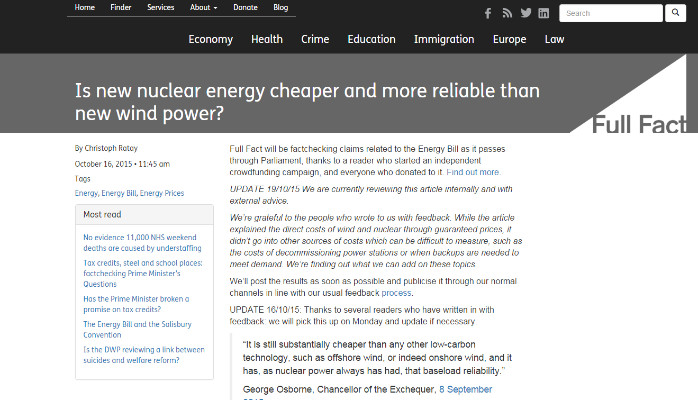
Imagine my surprise and consternation to find that – apparently – nuclear is more reliable than wind.
What Full Fact had done is taken the load factor for the two technologies and equated that to reliability. Patent nonsense; according to this approach solar energy is incredibly unreliable because the sun doesn’t shine in the night. Perhaps Full Fact assume there’s only a 50/50 chance it’s going to come back up again in the morning!
It was a rookie error, and one I was happy to correct. So, following the guidance on the website, I emailed the team, and then tweeted with some information about Portfolio Theory which should have helped them understand their error.
That was last Friday.
To my great disappointment, the erroneous information is still up on the website despite correspondence to Full Fact from myself and a number of other individuals and organisations.
Rather than note that there *might* be an issue with their conclusion and withdraw the section from the website, their only communication to me has been that they’re internally reviewing the statement.
And all the while, people clicking on the page are blithely taking at face value the ‘fact’ that nuclear is a reliable choice, and that wind just lets us down time after time.
The naivety of Full Fact in allowing this slur to stand – particularly when it’s been pointed out by numerous sources – is astonishing.
The question stands; who fact-checks the fact-checker, and are they even listening?
Update 28th October 2015
It seems that Full Fact are at it again – this time on popularity of wind against other energy types. This time they‘ve taken a single Survation survey of 2013 to discuss the popularity of wind *against other renewables*.
Two problems with this; firstly, their data source is crap. Why not use DECC data which publishes independent statistics on exactly this topic each quarter?
(My mistake – they had used DECC data at the end of the article, sorry.)
Secondly they’re only comparing renewables with each other. We know that renewables are insanely popular compared with fossil fuel and nuclear technologies, so it’s no surprise that onshore wind isn’t top. So why restrict the discussion to renewables alone given the title “What do Brits think about wind farms”.
Perhaps Full Fact Partial Opinion have taken money from Alison Hood to carry out the work, but have a higher calling to support nuclear and fossil fuel companies?!
The general election of 7th May produced a result which was equally unexpected and unwelcomed by most in the UK.
The surprise of the night was not that an unwelcome party was to form a new government – only once since 1931 has a government won more than 50% of the popular vote – but that it was the Conservatives who had won an outright majority.
On the face of it, this could have been great news for the renewable energy sector. After all, this was the party led by David Cameron of wind turbine, husky and ‘greenest government ever’ fame.
In the face of this onslaught against one of the UK’s fastest-growing sectors, investors did what they’ve always done when faced with uncertainty; considered their choices and started to look elsewhere.
Wales; a refuge from the storm?
Wales hasn’t escaped the economic vandalism. Although planning and environmental permitting are devolved, the UK-controlled renewable energy subsidy is pivotal to the viability of projects in Wales.
Unsurprisingly, projects are starting to be pulled. With around 40p of every pound spent on onshore wind projects coming to Wales, and the potential investment running to billions, the impact on direct investment and supply chains is colossal.
Sadly, Wales-based companies, including those in the rural areas that the Conservatives profess to cherish, are also struggling to cope with the uncertainty.
Community energy projects are in disarray as the certainty they enjoyed from pre-accreditation for the feed-in-tariff disappears in front of their eyes.
However, there are some ways in which the Welsh Government has acted to protect the interests of the people of Wales.
Firstly, planning policy is devolved to Wales. So whereas the UK government has effectively banned onshore wind in England, the Planning Act for Wales will enable Welsh Government to determine decisions for projects between 25 MW and 50 MW in size, and also to take decisions away from local authorities which are seen to be performing poorly.
Secondly the blanket hostility to the renewable energy sector from Conservative Ministers at Westminster is contrasted starkly by the fulsome support from Carl Sargeant, our Minister for Natural Resources. This contrast is not restricted to onshore wind; whilst the UK Government rushes to develop the shale gas resource (fracking) in England, it is likely to face a moratorium in Wales.
Tweets from Carl Sargeant, showing leadership against vacuous UK Government policy
Devolution has required Welsh Ministers to embrace sustainable development, and the Bills and Acts for Active Travel, Future Generations and Environment are clear indicators of a Wales which is attempting to genuinely grapple with the complex issues which surround sustainability.
And whilst we have undoubtedly scored some spectacular own-goals – the most obvious of which was the token improvement in energy efficiency in the last review of building regulations – the general direction of travel is hugely encouraging.
Given that we will eventually see the devolution of energy policy to Wales with the passage of the next Wales Act, the likelihood is that the medium-term outlook for the sustainable energy sector in Wales will continue to improve.
Towards 2016
In June I predicted that the early activity from Amber Rudd would be pushing the business community of Wales and Scotland in a nationalist direction. I stand by that analysis, and conversation with people working in the sector reveals that they regard Wales and Scotland as potentially ‘safe havens’ from the whirlwind being created in Westminster.
As we move closer to the elections in Wales, we will start to see whether the political parties of Wales step up in support of the sustainable energy sector. Early indications are encouraging with Plaid stating their commitment to a target of 100% renewable electricity in Wales by 2035, should they be elected to form the Welsh Government in 2016.
This will – hopefully – start a sustainability ‘arms race’, in which the parties of Wales will be striving to produce a narrative for the 2016 election which appeals to one of the principal interests of the citizens of Wales, namely living within the limits of our environment.
The National Conversation highlighted the importance of the environment to Wales
The UK Government’s energy policy is not worthy of the name. As the Financial Times stated recently, “sweeping away much of what the prime minister allegedly called ‘green crap’ is not on its own an energy policy”.
Devolution is good for the people of Wales. Our renewable energy sector will be more productive and employ people with greater certainty than England. We will hopefully see improvements in energy efficiency regulation which upskill our workers and construction companies, and allow us to export more of our goods and services. And we anticipate much more activity in the fast-moving ‘smart energy’ sector, which have the potential to bring a whole new generation of businesses and entrepreneurs to Wales.
The paths of Wales and England are slowly diverging. For the sake of the renewable energy sector, for the sake of sustainability, and for the sake of future generations, that is something to be warmly welcomed.
The Nuclear Decommissioning Authority has today announced its draft budget for 2015/16. The sum will be £3.31bn, of which £2.1bn comes from the public sector. That’s public money being used to subsidise electricity which has already been used.
All elements of our energy system attract subsidy. What I find distasteful is that the users of nuclear electricity over the last 60 years have handed the cost of dealing with the waste to the citizens of today. Our leaders of yesteryear created a large unfunded moral hazard for future generations. The waste issue remains one of the biggest problems faced by the nuclear industry in their programme for new-build in the 21st century.
The decommissioning figures don’t include any aspect of subsidy for electricity production, or the credit guarantees which have been offered to nuclear projects in the UK. In the future, nuclear will benefit from a very generous subsidy of its own for electricity production, via a 35-year, index-linked Contract for Difference agreement, which will see UK taxpayers making generous contributions to state-owned French and Chinese utilities.
Renewable energy isn’t a panacea to our energy needs – at least not yet. Although renewables have highly predictable output, we’re not able to store significant amounts of electricity on a daily or seasonal basis. That limits the ability of renewables to become the dominant part of our electricity economy, and points to the need for a far greater effort to incentivise R&D in energy storage technologies, and to commercialise those that currently exist.
Expertise in the energy storage and smart energy sectors would serve the UK well in the future, providing us with the opportunity to export goods and services over future decades. And yes, maybe some of those customers might be French and Chinese!
Our energy future, and our hard-earned cash as taxpayers is best served by a massive focus on energy efficiency, increased deployment of existing technologies, and a huge effort in R&D on energy storage and smart energy systems. Let’s run our existing nuclear fleet as hard and as long as it’s safe to do so, and then spend our money where it delivers best for our children and grandchildren; a renewable future.